
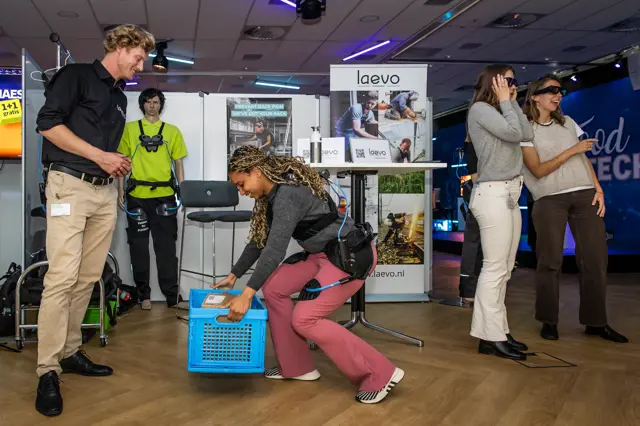
At its FoodTech Week, Albert Heijn showcases how AI is already used across logistics, pricing, and customer interaction—yet refuses to adopt a separate AI strategy.
At FoodTech Week, supermarket chain Albert Heijn demonstrated how AI supports key operations: predicting demand, dynamically pricing near-expiry items, and reducing food waste to under 1 percent.
Still, strategy director Sjoerd Holleman stresses that there’s no standalone AI policy: “We only use AI where it creates value.” Examples range from smart fridges and produce scanners to the in-app assistant Steijn, who suggests meals based on dietary needs and available time.
Steijn is carefully restricted—no medical or political advice—and always labeled as AI-driven. Trust is key, Holleman argues: “If customers lose confidence, it works against us.”
Internally, AI assists with staff scheduling and helps employees quickly answer product questions. Yet AH sees it not as a fix for labor shortages but as a way to improve workflows and inspire new ideas: “It’s about surfing the wave, not swimming against it.”Ook intern wordt AI gebruikt, bijvoorbeeld om roosters te maken of winkelmedewerkers snel productinformatie te laten vinden. Toch ziet AH het niet als dé oplossing voor personeelstekorten. “Misschien maakt het het werk leuker of efficiënter,” zegt Holleman, “maar we willen vooral zinnig met technologie omgaan.”