In approximately four in ten patients with large B-cell lymphoma (LBCL), standard immunochemotherapy proves insufficient. Researchers at Cancer Center Amsterdam have now developed a promising blood test that uses artificial intelligence to identify early in the treatment trajectory which patients are unlikely to respond adequately to first-line therapy.
Large B-cell lymphoma is an aggressive form of lymphoma in which standard immunochemotherapy fails a substantial proportion of patients. Around forty percent experience disease relapse or die from their disease, and clinicians have long needed reliable, early tools to enable timely treatment adaptation. Until now, a suitable molecular risk instrument was lacking.
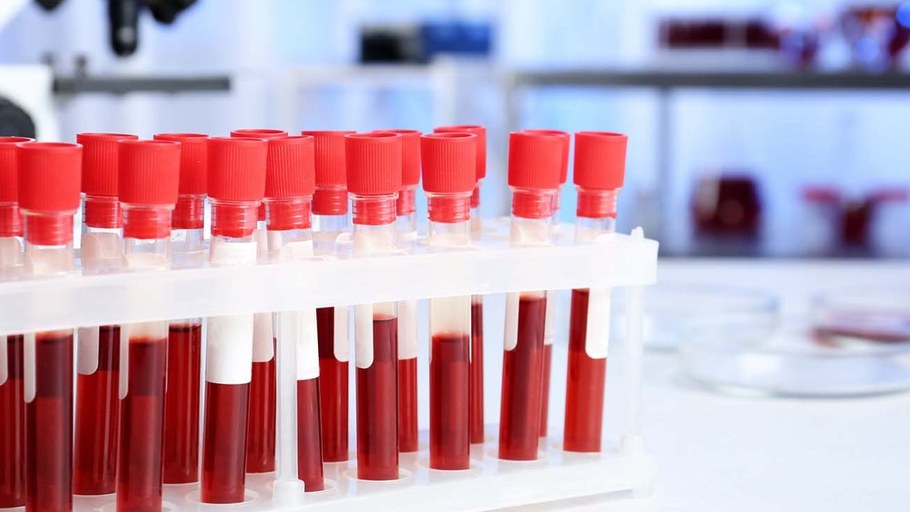
In a study involving 192 patients, Steven Wang, Parisa Mapar and their team analysed small fragments of tumour-derived cell-free DNA (cfDNA) in the blood using shallow whole-genome sequencing (sWGS). This approach detects DNA alterations in the bloodstream that may indicate the presence of cancer. Traditionally, sWGS is less sensitive than deep whole-genome sequencing, which offers high sensitivity but is also costly and complex to implement in routine clinical practice. By applying AI-based analysis, the new test retains high sensitivity while becoming more affordable and easier to implement in clinical settings.
The samples came from patients participating in two national HOVON studies and were stored in the Liquid Biopsy Center of Cancer Center Amsterdam, a large biobank containing blood and other body fluids from cancer patients. The AI-based tool integrates three classes of cfDNA features, namely genomic aberrations, fragment length and composition, and terminal sequence motifs, into a single composite metric: the ACT score.
The prognostic value of this score is considerable. Patients with a positive ACT score after one cycle of immunochemotherapy had markedly inferior outcomes compared with ACT-negative patients. At two years, 71 percent of ACT-positive patients had experienced disease progression or relapse, versus 17 percent in the ACT-negative group. The difference in overall survival was equally pronounced: 47 percent of ACT-positive patients were alive at two years, compared with 93 percent of ACT-negative patients.
For patients, the test is minimally burdensome, requiring only a single blood draw after the first cycle of immunochemotherapy, without additional tumour biopsies or baseline plasma sampling. The ACT score can support early treatment decisions, helping clinicians to identify patients who may benefit from treatment intensification or modification, while potentially sparing low-risk patients from unnecessary escalation. Because the method uses open-source software and sWGS, it is technically and logistically suitable for integration into routine clinical practice. The study was funded by KWF, the John and Marine van Vlissingen Foundation and the CCA Liquid Biopsy Center, and the results were published in the journal Cell Reports Medicine.