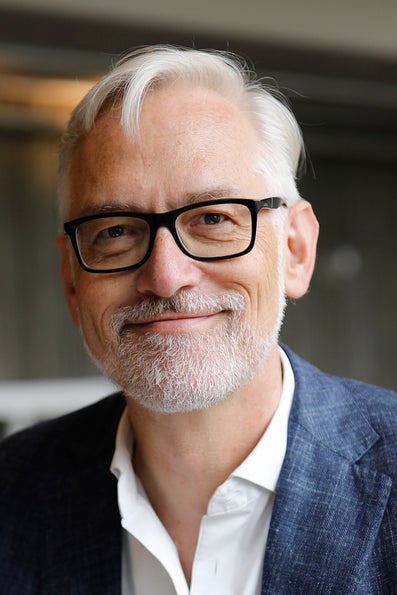
Education researcher and data scientist Theo Bakker from VU Amsterdam explores how artificial intelligence (AI) could help create fairer opportunities for students. In a recent interview, he highlights both the possibilities and the challenges of AI in higher education and explains how responsible use can make a real difference.
Bakker notes that discussions about AI in education often focus too narrowly on access to technology, while true equity goes beyond that. Fair educational opportunities mean that a student’s background should not determine their outcomes. In some cases, additional support is needed for students with fewer resources in order to achieve genuinely equal results.
AI can play a role in personalised guidance. For example, systems can identify students at risk of dropping out and alert mentors or academic counsellors in time. This enables targeted support tailored to the pace and needs of individual learners. Bakker points to a practical example developed by VU Amsterdam in collaboration with ROC TOP, where AI was used to better support vocational students at risk of discontinuing their studies.
At the same time, Bakker warns that AI is not without risks. Models are often trained on historical data that reflect existing patterns and biases, meaning that without careful design AI can reinforce inequality. By using inclusive datasets and involving diverse stakeholders in development, many of these risks can be mitigated.
The interview emphasizes that educational institutions need to adopt a conscious and fair approach to AI use. This includes building AI literacy among both teachers and students so that they understand how AI works and how it can be responsibly used to support learning.
Theo Bakker concludes the interview on a positive note: by acknowledging both the opportunities and challenges of AI, and involving diverse perspectives in its development and application, AI can become a useful tool to promote fairer educational outcomes for all students.