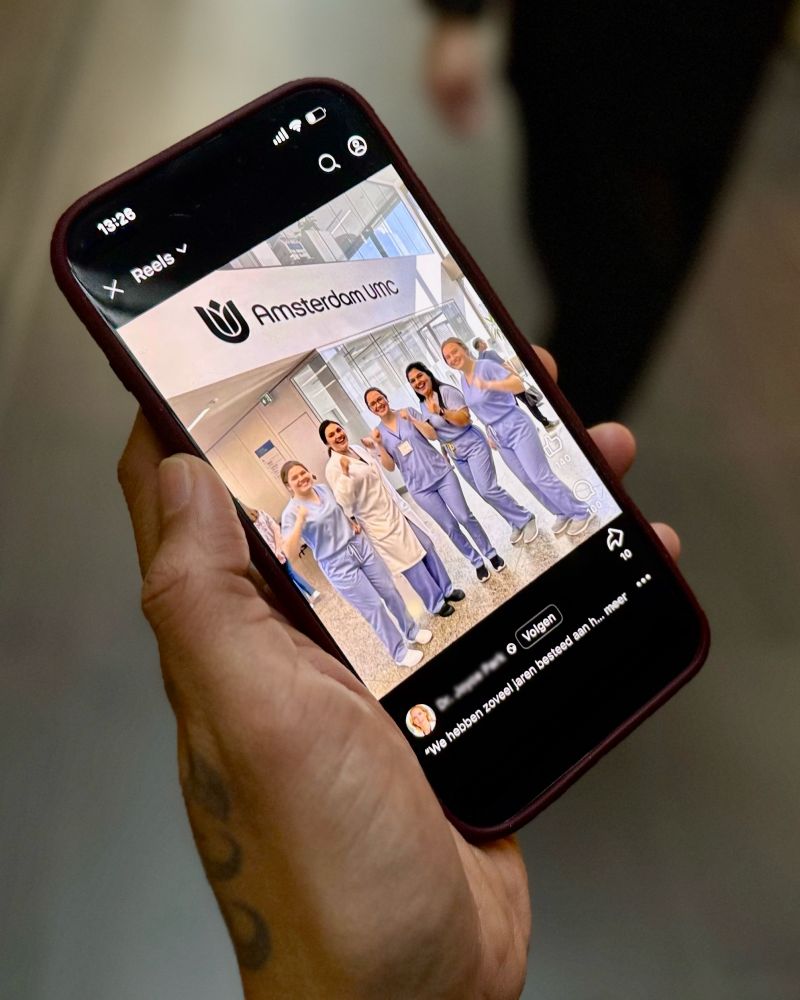
Amsterdam UMC has sounded the alarm about fraudulent advertisements circulating on platforms such as Facebook and Instagram that use deepfake technology to misrepresent doctors and endorse products without their consent. These AI‑generated videos and images falsely suggest medical endorsement of products like weight‑loss or sleep supplements, raising concerns about misinformation and public trust.
The University Medical Centres (UMCs) have reported that misleading ads misusing their name and photographs of healthcare professionals have been appearing on social media. In some cases, the deepfakes show medical staff seemingly promoting products they have never endorsed. Amsterdam UMC has urged social media users who encounter such fake videos to report them directly to the platforms on which they appear, such as Facebook and Instagram.
These deepfake videos are created using artificial intelligence to carefully mimic real people’s appearances and voices, making them difficult for users to distinguish from authentic content. Despite this realism, institutions like Amsterdam UMC and Radboud UMC emphasise that the videos are not genuine and have no connection to actual medical advice or endorsements. They warn that the misuse of trusted medical imagery can mislead the public and harm the reputation of both individual clinicians and their organisations.
In response to the growing problem, Radboud UMC has launched a public warning campaign to raise awareness about deepfakes and to help people recognise and report suspicious content. Videos circulated online have included manipulated footage of physicians recommending products, which can be particularly harmful when viewers assume the messages are medically credible.
Health institutions are encouraging citizens to exercise caution and to verify the source of medical information before accepting it as true. The rise of deepfakes in the healthcare context reflects a broader challenge in the digital age where the authenticity of online content is increasingly difficult to confirm and where artificial intelligence can be used to spread misinformation.